



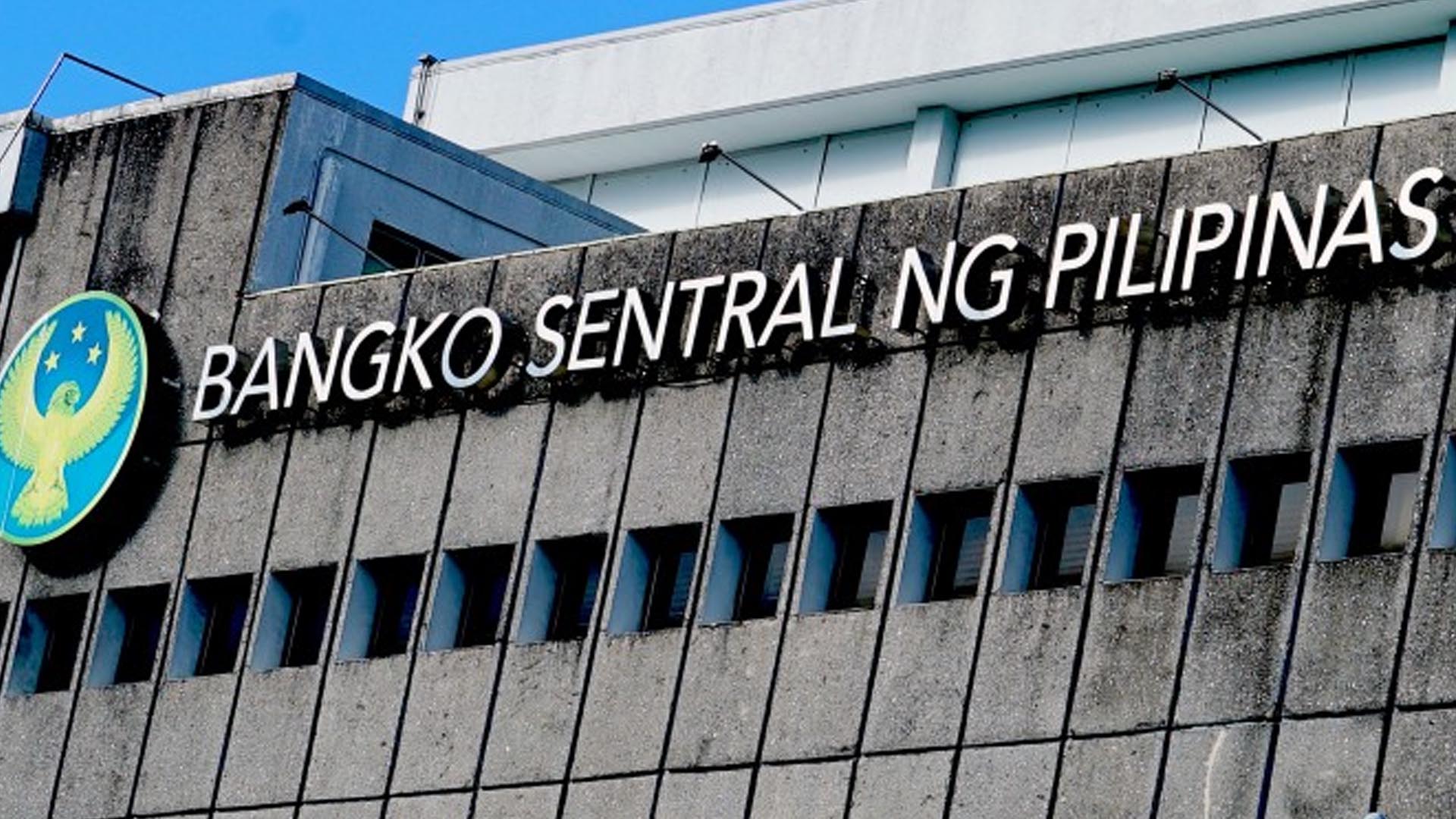







The Bangko Sentral ng Pilipinas (BSP) on Friday welcomed Moody’s favorable assessment of the country’s banking system and external accounts.
In a statement, BSP Governor Eli Remolona Jr. said Moody’s positive assessment “confirms what we have been seeing: our banks are strong, and our external buffers are solid.”
“At the BSP, we will continue to safeguard financial stability through sound regulation and prudent management of our international reserves,” he added.
In its credit opinion released on April 14, Moody’s said the Philippine banking system is “well-capitalized, profitable, and competently managed.”
It cited the quality of BSP supervision, noting that its application of international regulatory standards and preemptive measures supports financial stability.
Moody’s also said the Philippines’ gross international reserves (GIR), relative to external debt, are stronger than those of similarly rated economies.
It added that the country’s “very robust stock of foreign exchange reserves” exceeds pre-pandemic levels.
As of end-March 2026, the country’s GIR stood at USD107.5 billion, equivalent to 7.1 months’ worth of imports — well above the three-month international benchmark.
The GIR is also 3.9 times the country’s short-term external debt based on residual maturity.
The BSP also noted Moody’s assessment that the Philippines’ “credible monetary policy framework and flexible exchange rate help buffer external shocks.”
Moody’s credit opinion provides further details on its April 14, 2026 decision to maintain the Philippines’ investment-grade credit rating of “Baa2” with a “stable” outlook, which was affirmed in August 2024.
An investment-grade rating signals low credit risk, helping boost demand for and lower interest rates on Philippine government bonds. This allows the government to spend less on interest payments and more on development projects and social services. (PNA)