










At first glance, a Sskait comic feels immediate.
A quick laugh while scrolling. A strangely accurate observation about everyday Filipino life. A chaotic joke that somehow turns heartfelt by the last panel. The humor feels effortless, almost accidental, as if the comic simply appeared online the moment the idea entered the creator’s head.
But behind every strip is a process that has quietly been forming for years.
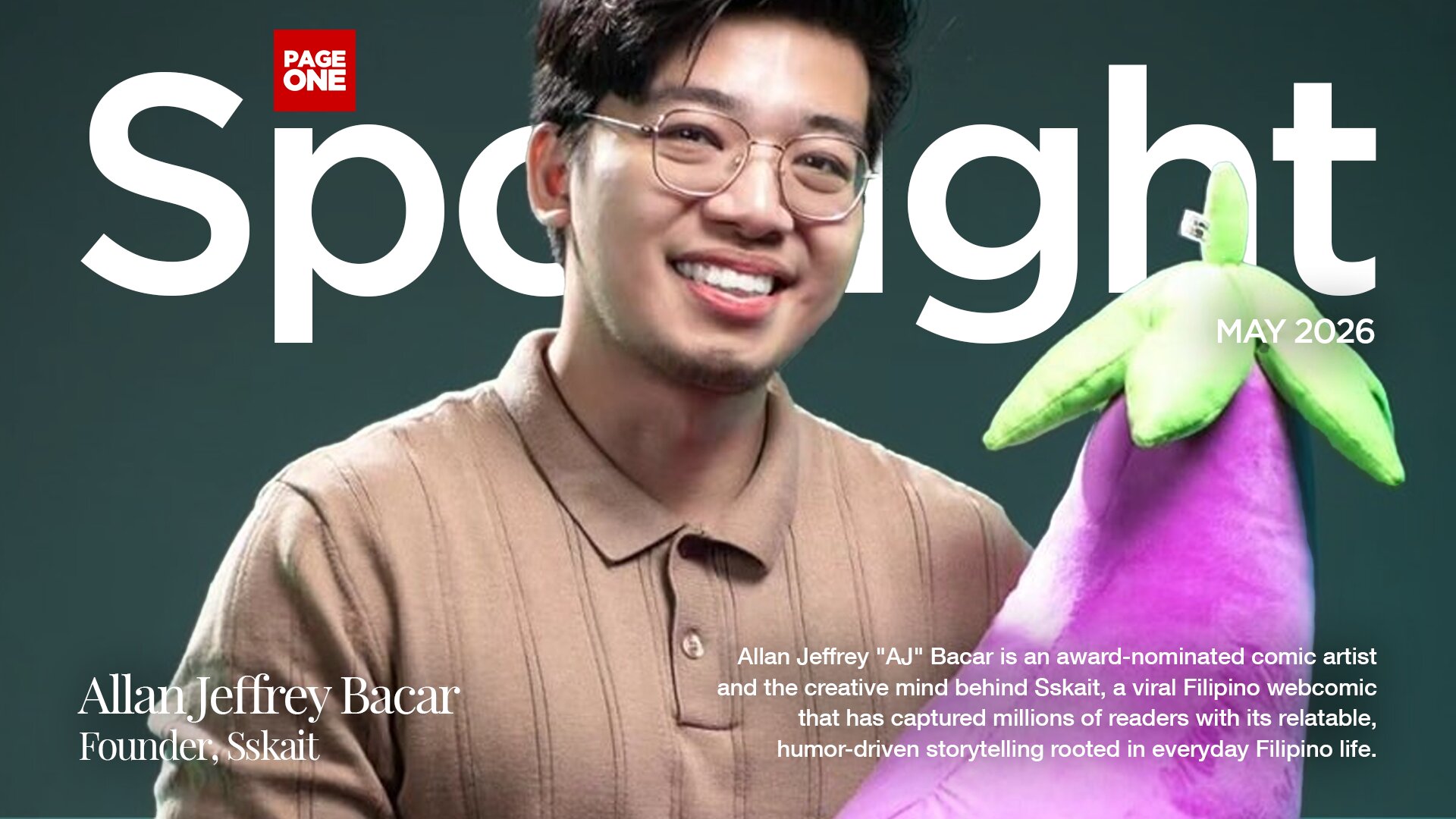
For Allan Jeffrey Bacar, creating comics is no longer just instinct. It is instinct sharpened by repetition, discipline, and nearly a decade of developing a voice people instantly recognize even before reading the punchline.
“Usually, comics starts from an idea,” AJ explains.
That idea is first translated into a rough storyboard, often within the familiar four-panel format many readers associate with Sskait. From there, the comic goes through an unexpectedly collaborative phase. Before anything is finalized, AJ sends the draft to friends or peers to see if the story lands the way he intended.
“Pinapakita ko muna sa peers ko, if may impact and if na-convey ko yung story nang tama,” he says.
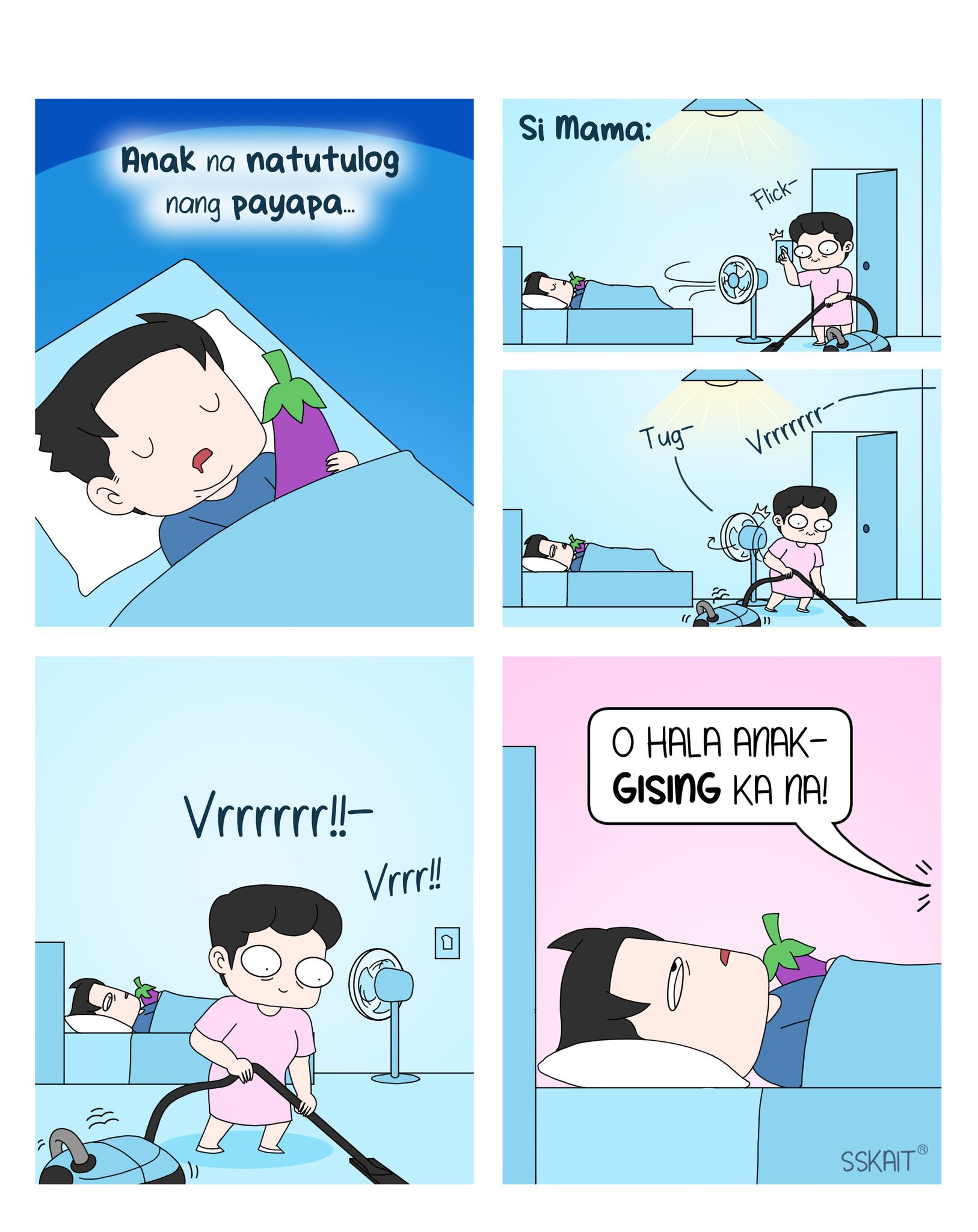
Only after that approval does the comic move into final lineart, coloring, and details. Then comes another round of checking before the strip is finally uploaded across platforms. Even posting is not the end of the workflow. AJ spends the first hour monitoring reactions and replying to readers in the comment section.
“It’s fun to interact din kasi sa early birds sa commsec,” he shares.
The speed of the process depends entirely on the type of comic being made. A quick one-panel joke reacting to a trend can take around thirty minutes. A longer narrative installment, especially for series like Multo Serye, can take six to eight hours for a single upload.
That range reflects what Sskait has become over time. It can move quickly when it wants to, but it also knows when a story requires patience.
The style itself feels familiar and unpredictable at the same time. AJ openly points to influences ranging from Pol Medina Jr. and Manix Abrera to Adventure Time and Rick and Morty. On paper, those references should feel disconnected. Somehow, inside Sskait, they don’t.
“I think all artists are a mix of different influences of their time,” AJ says.
Over the years, those influences slowly blended into something more personal. Not intentionally manufactured, but gradually shaped through repetition and experience.
“What makes Sskait, Sskait is… di ko rin sure e,” he admits with a laugh.
Still, there is a recognizable thread running through his work. The stories swing comfortably between absurd humor and deeply sincere moments, often within the same comic. Beneath the jokes is a consistent goal: to give readers breathing space.
“Hoping to leave an impact sa readers,” he says, whether through laughter, relatability, or simply giving people something that feels emotionally familiar while passing through their feed.
Even a sticker, for him, can become a small point of connection between people.
That instinct for connection is perhaps most visible in Multo Serye, the long-running webcomic that started almost casually before growing into one of Sskait’s most beloved narratives.
Originally intended as a one-off joke, the series evolved because AJ himself became immersed in it.
“When I started and made Multo Serye, I was so hyperfocused on it,” he recalls.
Readers kept returning daily, waiting for updates, theories, and emotional payoffs. AJ followed those reactions closely, reading comments and engaging directly with the audience as the story unfolded. What began spontaneously eventually demanded structure.
“And yeah, it came to a point na it needs to have structure,” he says.
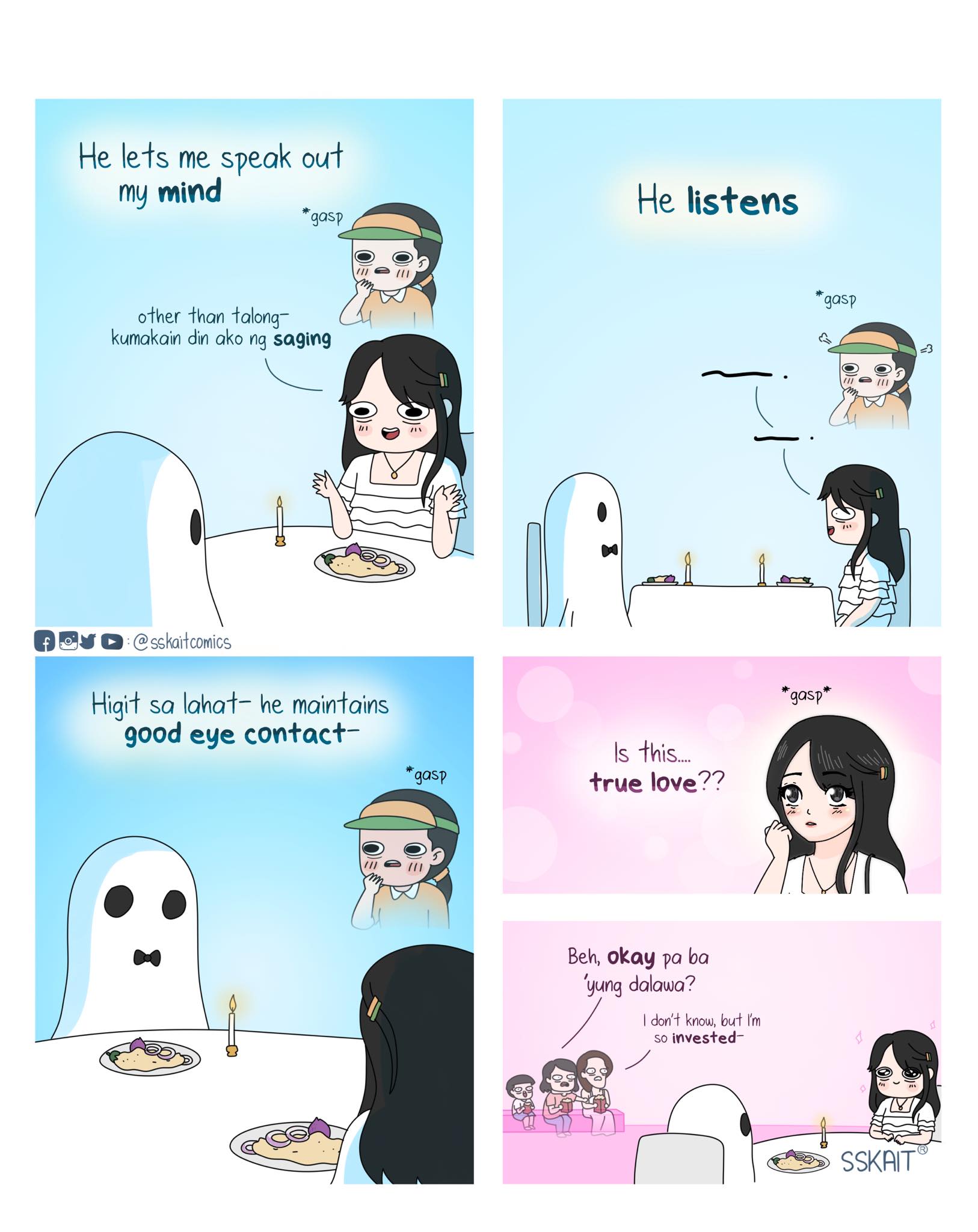
The characters gradually became more than setups for jokes. They needed pacing, continuity, and emotional weight. AJ found himself becoming attached to them too, which changed how he approached the storytelling.
“There are some pages na things had to happen, kahit na wala masyadong nangyayari,” he explains, describing the quieter moments necessary to build toward something larger later on.
That shift from spontaneity to planning is one of the hidden tensions inside long-form storytelling. The comic still needed to feel funny and alive, but it also needed narrative discipline.
As Sskait expanded, AJ also began collaborating with other artists, including junior artist Jana, who previously worked alongside him. Even then, the creative process remained rooted in conversation rather than rigid structure.
“Nagkukwentuhan lang kami, thinking of funny stuff, until it becomes a story and a comic,” he says.
The brainstorming sessions sound less like formal meetings and more like friends entertaining increasingly chaotic ideas until something clicks. AJ jokes that perhaps he simply passes his humor onto the people around him.
“Mababaw lang din naman ako,” he laughs.
Still, despite collaboration, the final voice remains distinctly his. Every story passes through him before publication. The tone, pacing, and emotional rhythm continue to sound unmistakably like Sskait, even when jokes from collaborators make their way into the strip.
Ironically, for someone known for detailed narratives and recurring characters, AJ insists perfection has never been the point.
“Ang important part in a comic is the story, rather than the accuracy or art style,” he says.
Most Sskait comics are one-shots, created quickly and released as they are. Technical perfection matters less than emotional honesty. A comic works because the feeling lands, not because every proportion is flawless.
When asked which strip took the longest to get right, AJ answers in the most Sskait way possible.
“The longest siguro is the Talong, Dejk.” he jokes.
The answer is funny partly because it avoids overcomplicating the craft. Behind the growing audience, the conventions, and the evolving storylines is still the same instinct that started everything years ago: make something honest, make it funny, and share it with people.
What readers experience as effortless is actually the result of years spent quietly learning how to turn fleeting thoughts into stories people carry with them long after they stop scrolling.