



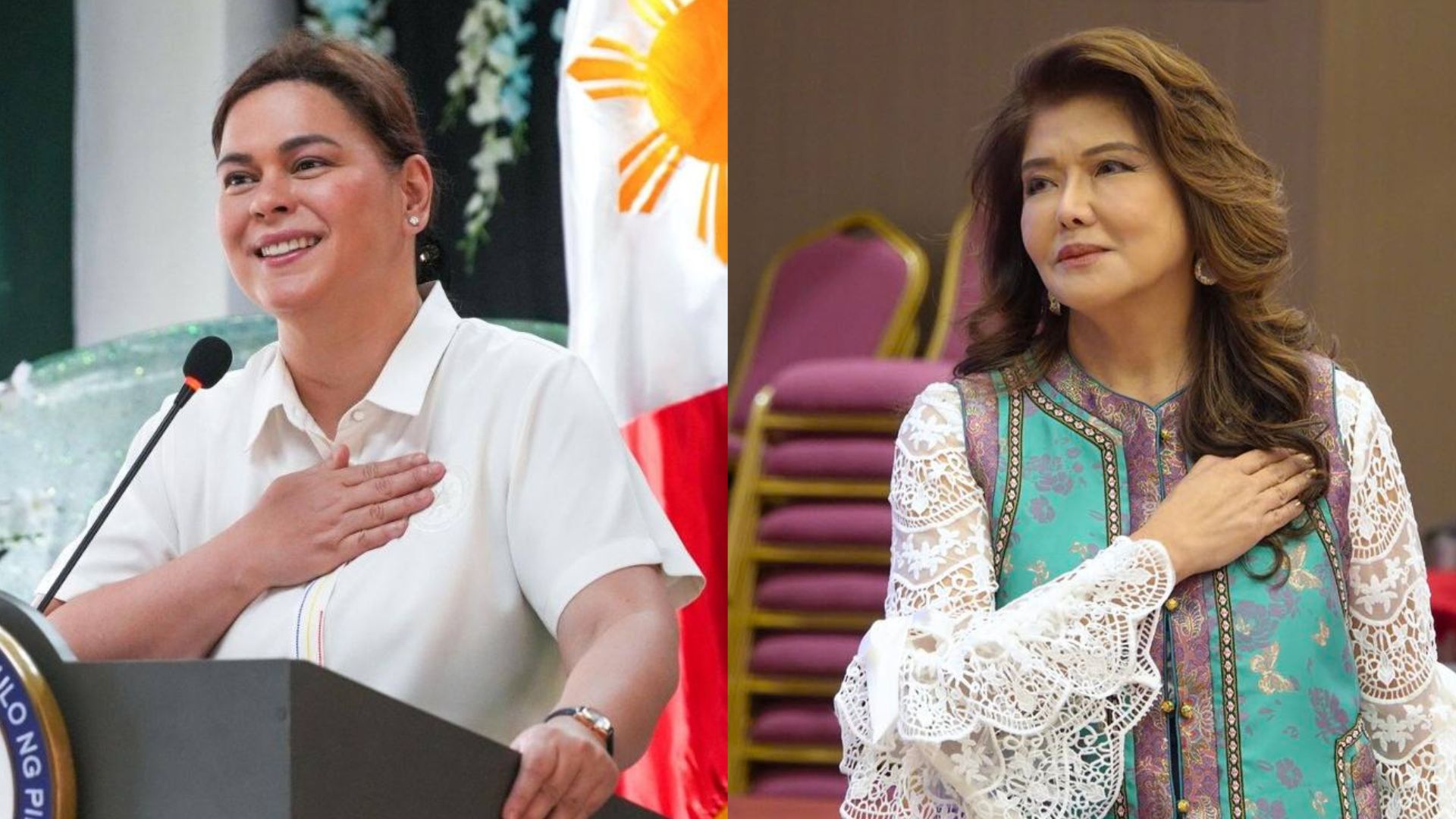







OCTA Research said Mindanao continues to serve as the strongest geographic anchor of the Duterte political coalition after its latest Tugon ng Masa survey showed overwhelming support for the hypothetical Sara Duterte and Imee Marcos tandem in the region.
According to OCTA Research, the Duterte–Marcos tandem registered an extraordinary 86 percent support rating in Mindanao, the highest regional preference figure recorded in the survey. By comparison, the Robredo–Tulfo tandem received only 5 percent support in the region.
The findings underscore how deeply entrenched Duterte influence remains in Mindanao despite the increasingly competitive national political environment emerging ahead of the 2028 elections.
OCTA Research described the emerging electoral landscape as increasingly regionalized and polarized. While Robredo–Tulfo dominates NCR and Balance Luzon, Duterte–Marcos continues to enjoy near-solid backing in Mindanao, creating what many analysts may now view as two distinct political territories inside the country.
The political importance of Mindanao cannot be overstated. The region has long served as the emotional, organizational, and electoral core of the Duterte movement. Former President Rodrigo Duterte’s political identity remains deeply tied to Mindanao, particularly Davao, where his brand of governance and leadership first gained national prominence.
The OCTA Research survey suggests that this loyalty has not weakened significantly. Instead, it appears to remain one of the most stable electoral foundations in Philippine politics today.
The numbers also indicate that even if Duterte-aligned forces encounter resistance in Luzon and NCR, a commanding Mindanao base still gives them a powerful platform for national competitiveness. In Philippine elections, regional dominance can offset weaknesses elsewhere, especially when combined with strong organizational machinery and emotional voter loyalty.
OCTA Research also noted that Duterte–Marcos remains competitive in the Visayas, giving the tandem additional pathways to national viability despite losing ground in other areas.
The survey findings may further deepen concerns about the growing polarization of Philippine politics. Rather than a single national consensus emerging, the country appears to be consolidating into competing regional political identities.
For political strategists, the implications are enormous. Any national coalition hoping to win in 2028 will eventually need to address the Mindanao factor directly. Ignoring the region is no longer politically viable.
At the same time, the OCTA Research survey also suggests that Duterte-aligned politics remains emotionally resilient despite intensifying controversies, political attacks, and shifting national alliances.
The broader takeaway is clear. Mindanao is no longer simply one component of the Philippine electoral map. It has become the strategic fortress that continues to sustain Duterte-aligned national relevance heading into the next presidential cycle.