



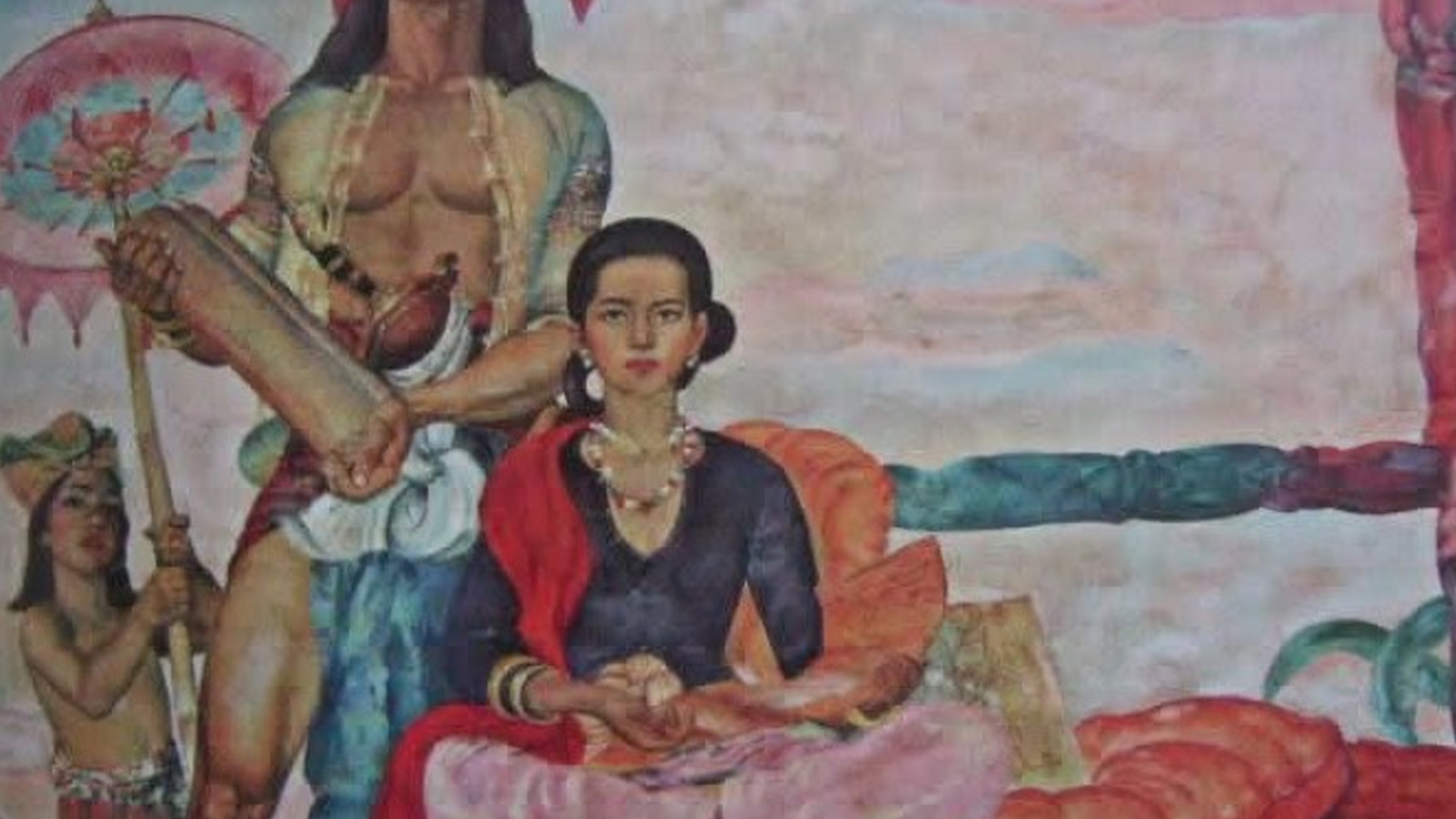







The Department of Tourism (DOT) on Tuesday night called for the safeguarding of Philippine artistic heritage as it opposed the proposed plan to permanently transfer “Kalantiao at Lubluban,” the 1946 painting of National Artist Carlos ‘Botong’ Francisco, to Singapore.
The artwork had been the subject of a petition by Jaime Alfonso Larence Ponce de Leon of Leon Gallery, who had asked the National Commission for Culture and the Arts (NCCA) to remove the piece’s presumption as an important cultural property, pointing out that its sale and conveyance to the National Gallery Singapore will neither deplete its prevalence in the Philippines nor diminish its National Patrimony.
In a statement, the DOT acknowledged the National Gallery Singapore’s interest to acquire the art piece but said “recognition can be pursued in ways that also preserve” its meaningful access for the Filipino people.
“We therefore respectfully enjoin the Commission to consider the petition in light of the cultural significance of Kalantiao at Lubluban, the objectives of the National Cultural Heritage Act, and the importance of safeguarding the country’s artistic heritage for future generations,” it said.
“We also encourage consideration of arrangements that may support the painting’s continued presence in the Philippines while allowing it to participate in international exhibitions, scholarly exchanges, and other initiatives that promote Philippine art and culture abroad,” it added.
The NCCA on Monday started accepting comments and positions regarding De Leon’s petition.
According to the petition, the National Gallery Singapore first expressed interest in acquiring the Kalantiao at Lubluban in early 2026, provided the commission allows its export/conveyance to Singapore.
Under Section 3 of Republic Act 11961 or “An Act Strengthening the Conservation and Protection of Philippine Cultural Heritage through Cultural Mapping and an Enhanced Cultural Heritage Education Program,” an Important Cultural Property is defined as “a cultural property that has exceptional cultural, artistic, and historical significance to the Philippines.”
Section 5 of the same law states that the works of Gawad sa Manlilikha ng Bayan awardees and National Artists are considered Important Cultural Properties unless declared otherwise by the NCCA.
The DOT maintained that artworks by Filipino National Artists “are not merely valuable objects” but are records of Philippine history, expressions of identity, and sources of inspiration for generations of Filipinos.
“For the Department, safeguarding these works is also an investment in cultural tourism,” it said.
“Our aspiration is to bring these treasures to the people—to be enjoyed by tourists and the Filipino populace alike. Works such as Kalantiao at Lubluban connect us to our history, deepen our appreciation of Philippine identity, and inspire generations to come,” it added. (PNA)