



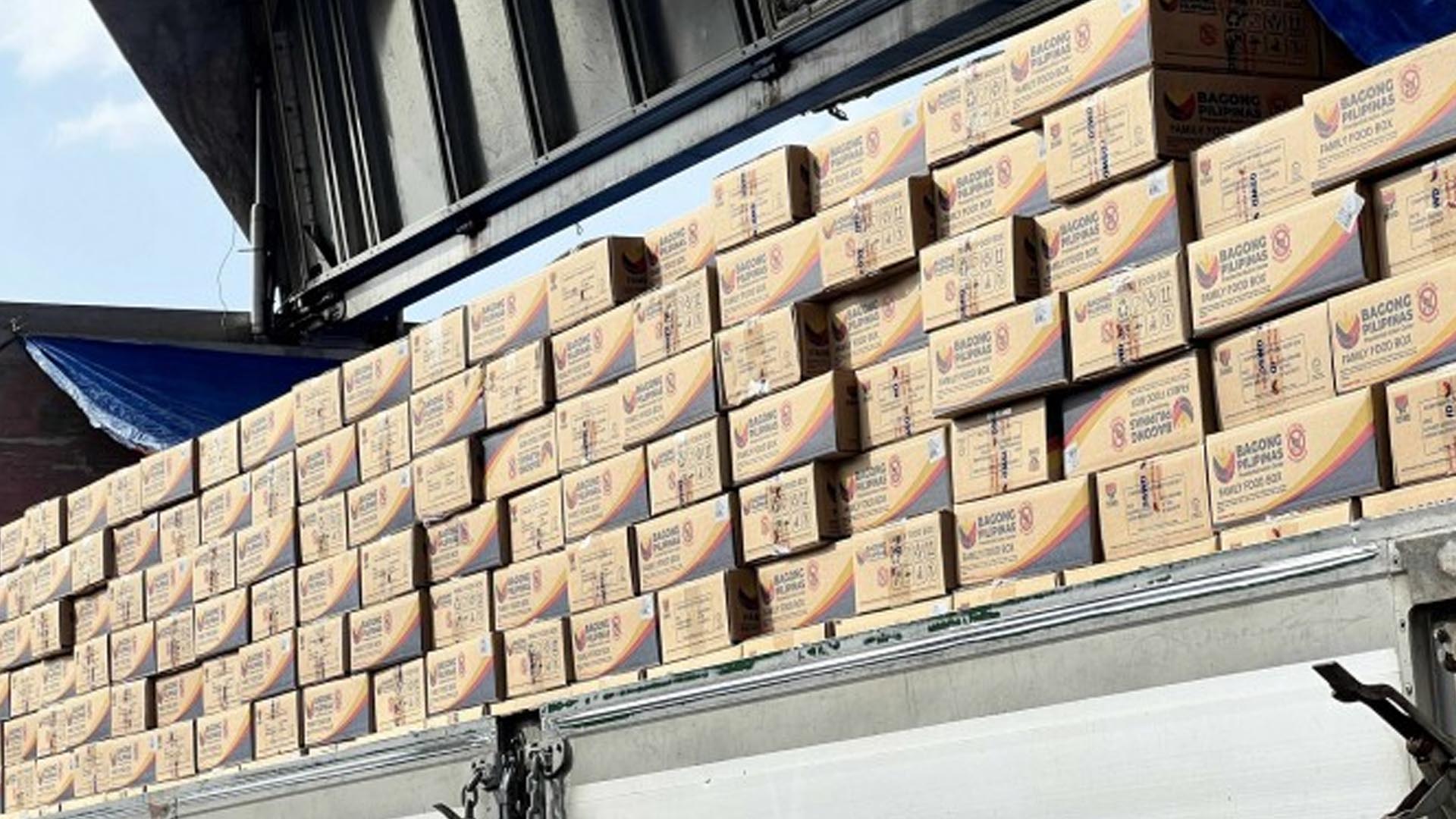







The Department of Social Welfare and Development (DSWD) – Cordillera region distributed PHP56.83 million worth of humanitarian relief items to more than 87,000 families affected by tropical cyclones and monsoon rains in August, the agency said Friday.
Novelle Ongat, information officer of the DSWD-Cordillera Disaster Response Management Division, said the supplies were provided to augment the resources of local government units (LGUs) and other organizations assisting affected communities.
“The DSWD supplies were provided as augmentation to the resources of the local government units and organizations that extend a hand to victims,” Ongat said.
The assistance included family food packs, ready-to-eat food, water, modular tents, hygiene kits, kitchen kits, laminated sacks, and sleeping kits.
Benguet received the largest share, with PHP29.77 million worth of food items distributed, followed by Abra with PHP17.49 million and Baguio City with PHP4.02 million.
The three areas have been experiencing heavy rains for more than a month.
On Friday, Malacañang suspended classes at all levels in Baguio, Benguet, and Abra as the areas experienced orange rainfall warning conditions, or rainfall of 100 mm. to 200 mm.
Mountain Province and Ifugao also received relief supplies, while Apayao, which is geographically closer to the Cagayan Valley region, received assistance from DSWD – Cagayan Valley.
Ongat said the total value of humanitarian assistance monitored by DSWD-Cordillera reached PHP80.27 million, including aid from partner non-governmental organizations (NGOs) and LGUs.
The assistance went to displaced families and individuals staying in evacuation centers, those who sought temporary shelter with relatives and friends, and other families affected by the rains.
The amount recorded from NGOs and LGUs covered only assistance reported to and monitored by DSWD-Cordillera, Ongat said, adding that other aid, particularly from local governments, was not included.
Beyond food and non-food assistance, DSWD personnel also provide psychosocial support and conduct welfare checks among affected families.
“A welfare check is talking with them, asking how they are,” Ongat said. “It is during welfare checks that our personnel get to know their other immediate needs and assist them with those needs and requests.”
She said even simple conversations or brief visits to modular tents can provide comfort to families forced to leave their homes because of the rains.
For social welfare officers, she said, checking on people can ease their emotional burden and help them relax.
“Kumustahan,” or checking in with people, is also part of DSWD-Cordillera’s support for its own personnel, particularly those working in the field amid heavy rains and long hours.
“We also have a kumustahan session in DSWD, and we are grateful to our leaders for that because it also gives the social welfare officers on field an opportunity to breathe deeply and feel that the office also cares for their welfare,” Ongat said. (PNA)