











During Holy Week, many Albayanos’ dining tables become symbols of faith, tradition, and local culture, as families observe “ayuno” or abstinence by preparing meatless but flavorful dishes.
In accordance with the Lenten tradition of avoiding meat, especially pork, families opt for vegetables and seafood.
Ingredients abundant in the Bicol Region are a core part of its culinary heritage.
The shift in food for the Holy Week not only serves religious devotion but also emphasizes traditional dishes handed down through generations.
Across the region, slow-cooked flavors define Lenten dishes.
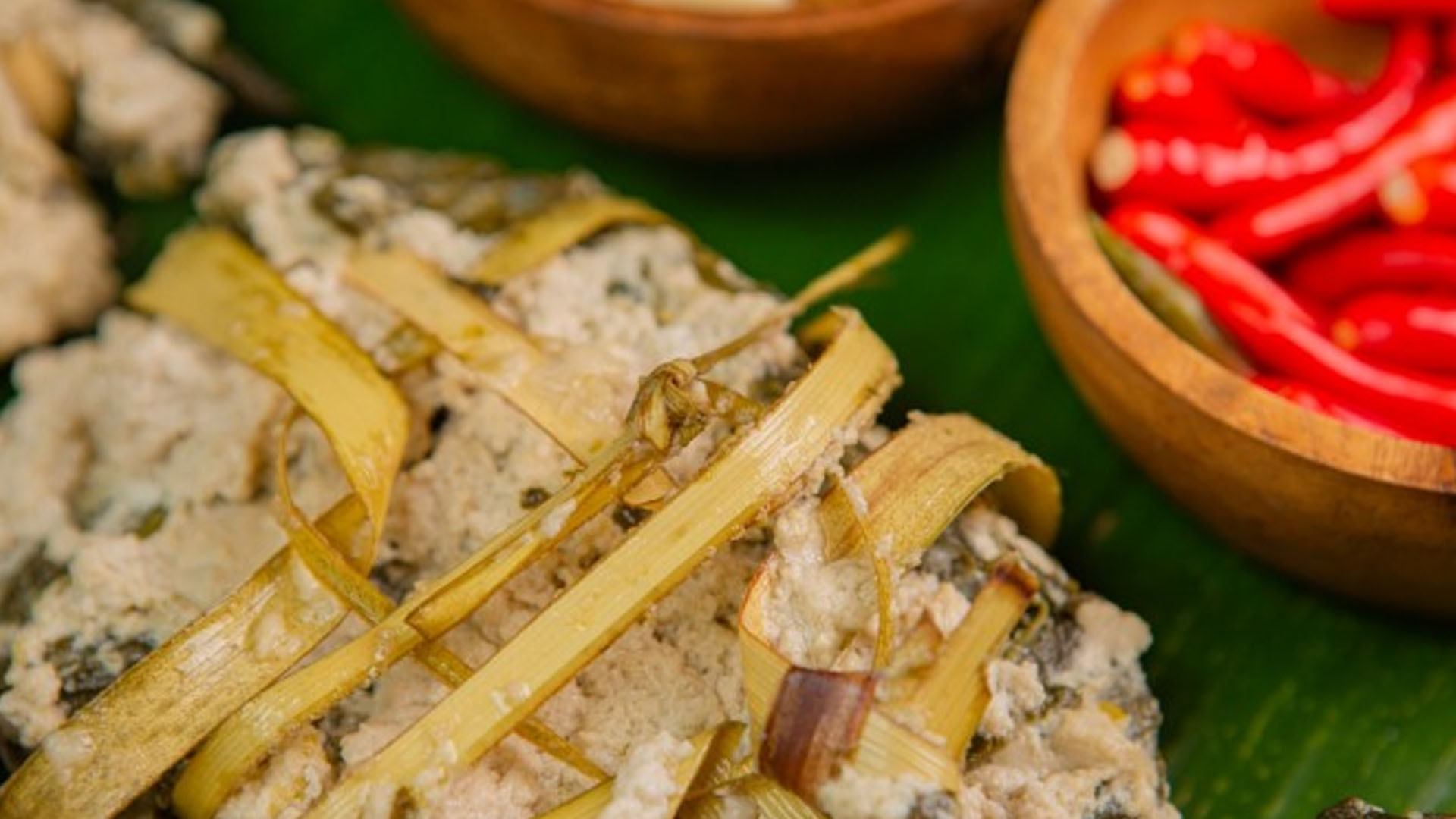
Pinangat, usually prepared with pork, is substituted with fish during Holy Week. Fish and taro leaves are wrapped together, seasoned with chilies, onions, and ginger, and simmered in coconut milk until tender.
“Pinangat is usually cooked with fish or pork. But since it’s Holy Week, they use fish. It’s really delicious because pinangat is cooked slowly in a lot of coconut milk,” said Herbie Aguas, director of the Department of Tourism (DOT) 5 (Bicol).
Another staple, tilmok, uses crushed small crabs or shrimp mixed with grated coconut, chilies, and spices. Wrapped in banana or taro leaves and steamed, the dish offers a hearty, flavorful alternative to meat while complementing rice.
Seafood, such as malasugi (tuna), Kwaw, and endemic fish from Tiwi and Santo Domingo, are also featured in coconut-based stews like picadillo and kusido. These dishes are sautéed with onions and garlic, simmered in coconut milk with local spices, and exemplify the region’s signature use of gata and chili.
Food as a link to heritage
For Aguas, Holy Week dishes are not just meals; they are a connection to Bicol’s past.
“Pinangat, tilmok, and other coconut-based dishes are part of our history. These recipes have been passed down from our ancestors, reflecting how Bicolanos used local ingredients to create hearty meals. They tell a story of resourcefulness, faith, and culture,” he said.
Pinangat is believed to have originated in coastal towns, where fish and taro leaves were abundant. The slow-cooking method and leaf wrapping preserve flavor and minimize waste, showing the ingenuity of past generations.
Tilmok reflects a similar resourcefulness, allowing families to maximize river and coastal harvests during fasting periods.
Picadillo, coconut-based seafood stews, were traditionally prepared during Lent as a way to honor religious observances while sustaining the community.
“It’s important because we are going back to our roots. Through these dishes, we connect with our ancestors and preserve our culinary heritage,” Aguas said.
Traditions shape Lenten practices
Conversely, for residents like Teresita Miña, 59, from Mabinit, Legazpi City, the Holy Week observance goes beyond food.
“We are not allowed to eat meat. We fast, attend Mass, and join processions,” she said.
She also follows customs, such as staying indoors during certain hours, avoiding sharp objects, and refraining from loud activities, particularly on Good Friday, to respect the solemnity of the occasion.
In Albay, the Holy Week table is more than just a meal. It is a living expression of faith, a celebration of flavor, and a tradition passed down through generations. (PNA)