









The growing population of the middle class in the country is expected to fuel growth in spending for household goods, while the rising income will bolster expenditure on leisure items, the BMI said in a commentary Wednesday.
BMI, a unit of Fitch Solutions, said household goods spending in the Philippines this year will expand by 7.5 percent and will average 7.1 percent by 2028.
“Spending on household goods across the Philippines is forecast to record steady growth of 7.5 percent year-on-year in 2024, to reach PHP270.4 billion (USD4.8 billion). Spending will be supported by a technology-literate, urban middle class with increasing amounts of disposable income,” BMI said.
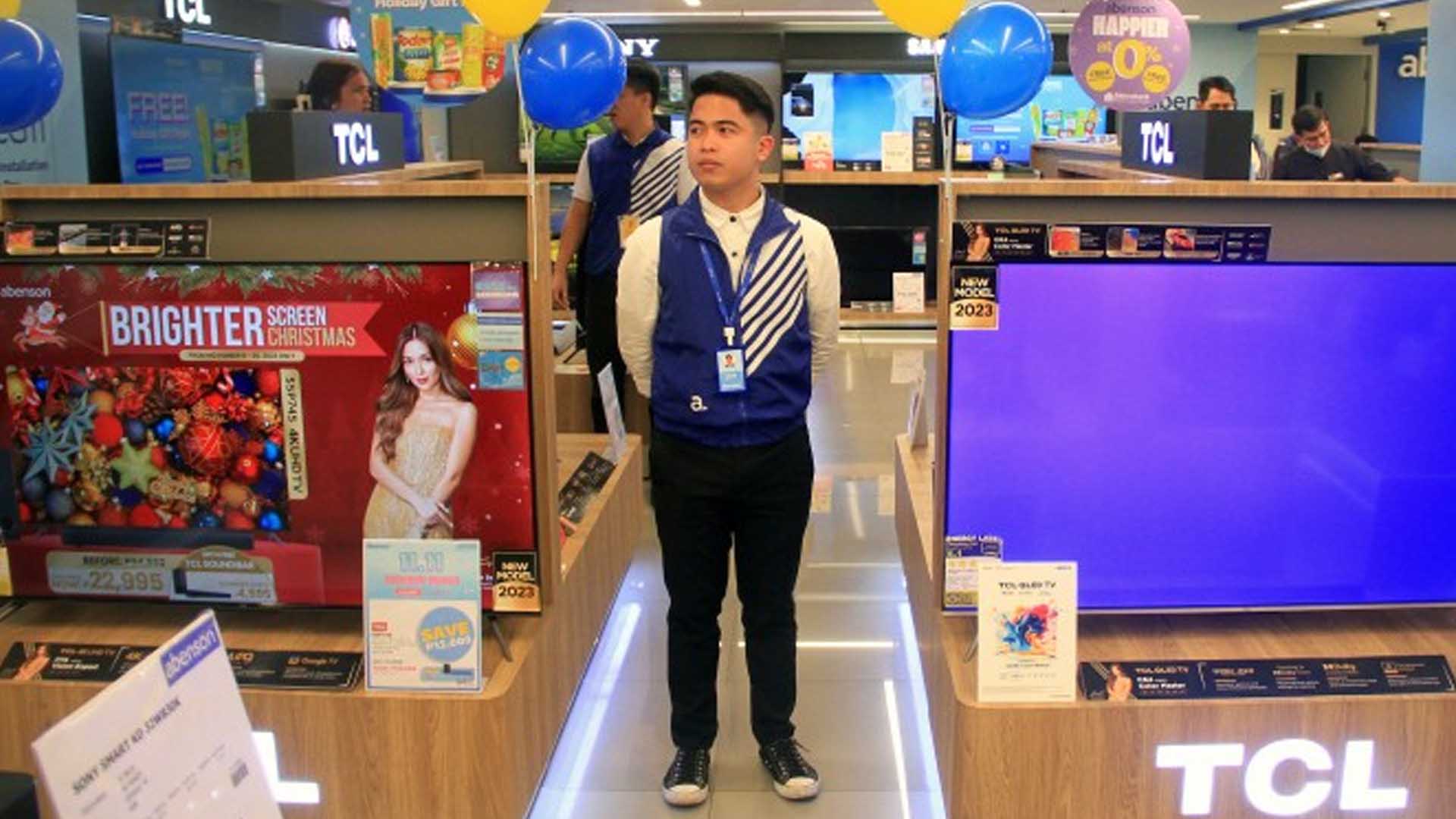
The Fitch Solutions unit noted that the increasing number of middle- and upper-income brackets will boost the housing market, as it encouraged Filipino households to buy consumer electronics and home furnishings to improve their homes.
By 2028, household goods expenditure is expected to rise to PHP354 billion (USD6.1 billion), averaging 7.1 percent annually.
“The Filipino household goods consumer market is dynamic, characterized by a mix of local and international retailers. Consumers have access to a wide range of products, from electronics to white goods, through physical stores and e-commerce platforms,” BMI said.
“A number of domestic chains, such as SM Home, compete alongside Europe-based and global rivals, such as Sweden-based IKEA and Hong Kong-based Japan Home Centre. Retail formats vary, from out-of-town superstores to small city-center display stores and a robust online sales sector,” it added. (PNA)