



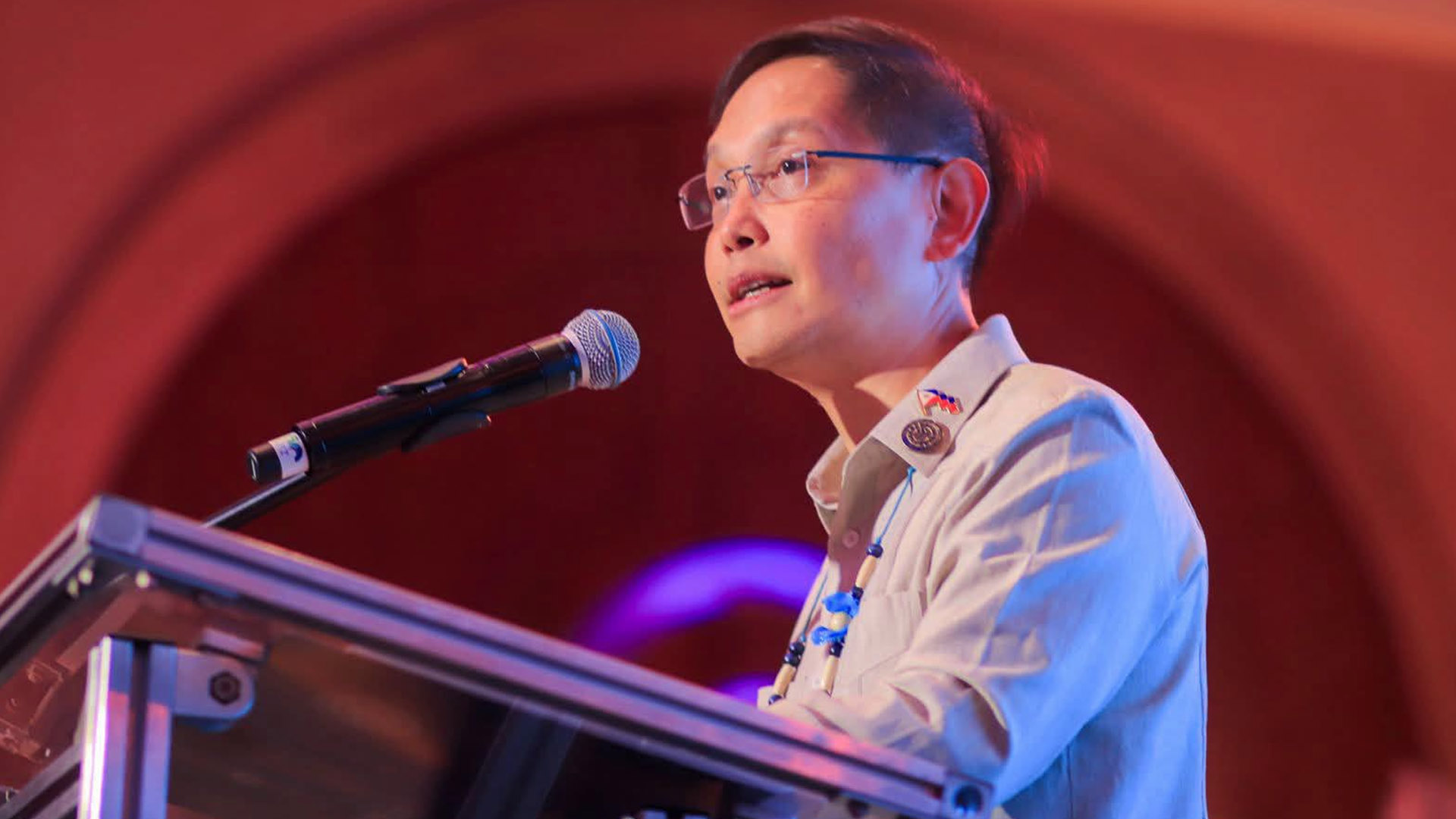







Technical Education and Skills Development Authority (TESDA) Secretary Jose Francisco Benitez on Thursday urged leaders of the Association of Southeast Asian Nations (ASEAN) to future-proof initiatives for technical and vocational education and training (TVET)
Speaking at the ASEAN TVET Council Regional Policy Dialogue, Benitez noted the need to think of ways to prepare the people amid the changes in work environments, which include shift in digital, artificial intelligence, automation, among others.
These changes, he said, are rewriting what nearly every job asks of a person.
Education, labor and economic ministers had to sit at one table in recognition of the changing conditions and understanding for human capital, labor and work, he continued.
“We need to future-proof our efforts while staying true to our obligations and responsibility that this transition is both just and inclusive,” he said
ASEAN member states need a common language and reference for skills, a common skills dictionary to make recognizable.
“How do we ensure that skills acquired in one ASEAN member state are recognized, are legible in another?” the TESDA chief asked.
Midterm reviews of the ASEAN Human Resource Development Roadmap are crucial as these help member states identify where their efforts must change and pivot, and to agree on what they must deliver next, he pointed out.
The existing ASEAN Qualifications Reference Framework, mutual recognition arrangements, and mutual recognition of skills initiative, have been helping member states align assessment practice with international standards.
“Ultimately, we must move towards a more integrated ASEAN labor market where skills can travel across borders while respecting national regulations and where it becomes even easier for skilled workers to access opportunities across the region,” Benitez said.
Benitez also mentioned the need for stronger regional labor market intelligence, comparable data on skills supply and demand, skills assessments and anticipation methods.
“It means sharing what each member state learns so that a signal seen in one country can inform the planning in another,” he said. (PNA)